Cuba Accuses U.S. of Fuel Blockade Misinformation Row
Telesur | Thursday, 7 May 2026 | Click here for original article
Cuba disputes U.S. denial of a fuel blockade, citing sanctions and multi-billion-dollar losses amid escalating bilateral tensions.
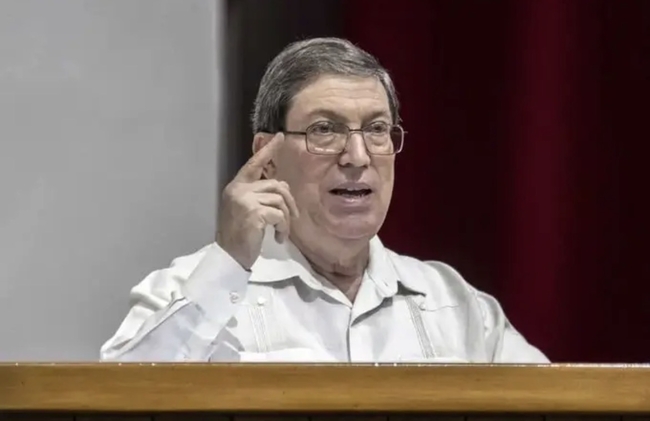
Cuba’s Minister of Foreign Affairs, Bruno Rodríguez Parrilla, has accused U.S. Secretary of State Marco Rubio of misrepresenting the existence of a fuel blockade against Cuba, amid heightened tensions over U.S. sanctions and energy restrictions.
Rodríguez said Rubio “has chosen simply to lie” and added that his statements contradict those of the U.S. president and the White House spokesperson.
He referred to a U.S. executive order signed on January 29, 2026, which, according to Cuban authorities, threatens tariffs against countries exporting fuel to Cuba. He also cited a second executive order issued on May 1 introducing secondary sanctions in the energy sector.
According to Rodríguez, only one fuel shipment has arrived in Cuba in four months due to pressure on suppliers. He said this reflects measures that violate free trade rules and freedom of navigation.
He added, “The only blockade that has happened is that Cubans have decided,” and in reference to Venezuela said, “the Venezuelans have decided that they will no longer give us free oil.”
Cuban government reports estimate that between March 2023 and February 2024, the blockade caused more than 5 billion dollars in damages, including restrictions on fuel, machinery, and raw material imports.
Official Cuban data also states that two months of blockade equals the annual cost of fuel required for normal electricity generation, estimated at 1.6 billion dollars. It also notes that two days of blockade equal the annual cost of public transport maintenance, around 40 million dollars, while ten minutes correspond to 142,966.82 dollars needed for hearing aids for children in special education.
For the period from March 1, 2024, to February 28, 2025, Cuba estimates damages at 7.556.1 billion dollars.
Separately, U.S. President Donald Trump has been cited as threatening to invade Cuba, stating the U.S. would take the territory “almost immediately.”
The dispute highlights an ongoing confrontation between Havana and Washington over sanctions policy, energy access, and competing accounts of economic restrictions on Cuba.